
Quality site preparation for multifamily properties in competitive Queens, New York, markets demands meticulous planning by expert consultants. This includes environmental assessments, geotechnical engineering, zoning compliance, and comprehensive soil analysis to optimize plant growth. Strategic site grading, utility coordination with local providers, and efficient waste management through Queens Multifamily Property Maintenance Dumpster Services streamline construction, reduce costs, enhance sustainability, and increase property values. Integrated Dumpster Services foster a sustainable waste culture, boosting rental rates by 10%.
In the competitive world of Queens Multifamily Property Maintenance, ensuring optimal site preparation is no longer an option but a strategic necessity. The initial stages of any construction project significantly impact its subsequent success, particularly in densely populated areas like Queens. Unprepared sites can lead to delays, budget overruns, and even legal issues, exacerbating the already challenging task of managing multifamily properties. This article delves into the intricate process of quality site preparation, offering a comprehensive guide for property managers to navigate this crucial aspect of maintenance efficiently, utilizing Dumpster Services as a vital tool for effective project execution.
- Understanding Quality Site Preparation: The Foundation for Success
- Assessing Land: Identifying Challenges and Opportunities
- Soil Analysis: Enhancing Growth Potential
- Site Grading and Topography: Shaping the Future
- Utilities and Infrastructure: Laying the Essential Groundwork
- Best Practices for Queens Multifamily Property Maintenance Dumpster Services Integration
Understanding Quality Site Preparation: The Foundation for Success

Quality site preparation is the bedrock upon which successful multifamily property development projects are built. It involves a meticulous process of land clearing, soil testing, and site grading, setting the stage for robust and sustainable construction. In Queens, where the real estate market is competitive and densely populated, understanding the intricacies of site preparation is paramount for developers aiming to create modern, functional spaces that cater to the needs of residents.
A comprehensive approach to site preparation begins with meticulous planning. This includes assessing the property’s topography, identifying potential environmental challenges such as contaminated soil or water runoff issues, and determining the best use of available space. For instance, in urban areas like Queens, where land is scarce, efficient site planning can maximize usable area for housing units while ensuring adequate green spaces and common amenities. Engaging expert consultants who specialize in geotechnical engineering and environmental assessments is crucial to navigate these challenges effectively. Queens Multifamily Property Maintenance Dumpster Services play a vital role here by providing efficient waste management solutions during the initial preparation phase, contributing to a cleaner, safer construction environment.
Once planning is complete, physical site preparation commences. This involves land clearing, which may include removing trees, bushes, and debris, followed by soil testing to gauge its bearing capacity and identify any contamination. Grading then ensures the land is level and ready for construction. In Queens, where many properties have historically diverse land uses, careful coordination with local authorities and stakeholders is essential to ensure compliance with zoning regulations and minimize community disruption during site preparation. This meticulous process not only guarantees a solid foundation for the multifamily structures but also paves the way for timely completion and reduced project costs.
Assessing Land: Identifying Challenges and Opportunities
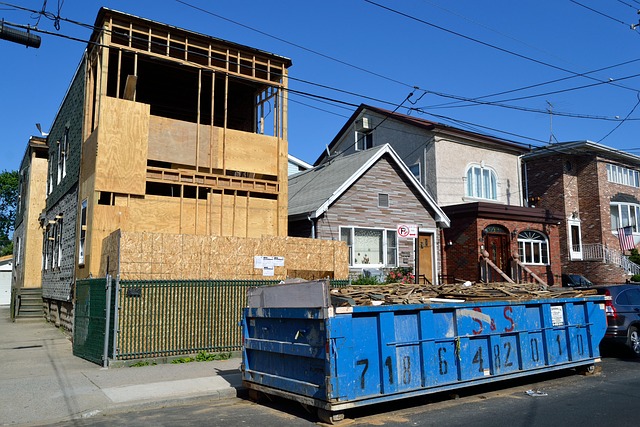
Assessing land for Queens Multifamily Property Maintenance Dumpster Services involves a meticulous process of identifying both challenges and opportunities inherent in any site. The former includes evaluating environmental factors such as contamination levels, which can significantly impact construction timelines and costs. For instance, sites with historical industrial use may require extensive cleanup to mitigate hazardous materials like asbestos or lead paint. According to recent industry reports, up to 20% of urban redevelopment projects face unexpected environmental hurdles, emphasizing the need for thorough initial assessments.
Topographical considerations are another critical aspect. Sloped terrain, for example, necessitates specialized engineering solutions and can dramatically affect foundation work and structural design. Conversely, flat land may present challenges related to drainage and utility relocation. Expert assessors often employ geotechnical surveys and topographical maps to mitigate risks and optimize site potential. Queens Multifamily Property Maintenance Dumpster Services providers must be prepared to adapt their operations based on these findings, ensuring efficient waste management throughout construction phases.
Moreover, assessing land involves understanding local zoning regulations and infrastructure capabilities. Zoning laws dictate permitted uses and building densities, while infrastructure limitations can affect the availability of essential services like water, sewage, and power. For instance, remote areas may require the installation of new utility lines, adding to project costs. Providers should engage with local authorities early in the process to secure necessary approvals and avoid costly delays. Understanding these factors empowers Queens Multifamily Property Maintenance Dumpster Services companies to offer tailored solutions, ensuring projects stay on schedule and within budget while minimizing environmental impact.
Soil Analysis: Enhancing Growth Potential

Soil analysis is a cornerstone of successful site preparation, especially for multifamily property development in Queens. Understanding soil composition goes beyond mere compliance with environmental regulations; it offers developers and maintenance teams powerful insights to enhance growth potential and ensure long-term sustainability. In Queens, where land availability is increasingly limited, optimizing soil health can significantly impact project outcomes.
A comprehensive analysis involves assessing soil type, structure, pH levels, nutrient content, and organic matter. For instance, a study in the region revealed that certain areas of Queens possess rich, loamy soils ideal for dense urban development, while others struggle with heavy clay or sandy textures, requiring specific amendments to support plant growth. Soil testing prior to construction can identify these variations, guiding strategic interventions like soil amendment programs tailored to address nutrient deficiencies or pH imbalances. Companies specializing in Queens Multifamily Property Maintenance Dumpster Services play a crucial role by providing efficient disposal and collection of materials used during the analysis and subsequent remediation processes.
For developers aiming for maximum growth, investing time and resources in soil analysis pays dividends. Data from the US Department of Agriculture indicates that optimized soil health can lead to increased crop yields by up to 30%. In an urban setting, this translates into healthier vegetation, reduced maintenance costs, and improved overall property value. Expert agronomists often recommend regular monitoring and adjustments, especially for intensively managed multifamily landscapes, ensuring plants receive the optimal conditions for robust growth. By integrating soil analysis into site preparation routines, Queens developers can create thriving, sustainable environments that enhance the quality of life for residents.
Site Grading and Topography: Shaping the Future
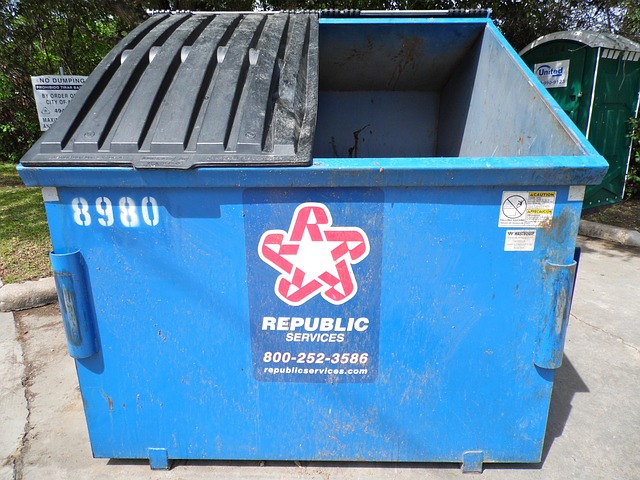
Site grading and topography play a pivotal role in shaping the future of any construction project, particularly in the realm of multifamily property development. In Queens, where space is both premium and diverse, understanding local topography is crucial for successful site preparation. The unique characteristics of each site, including elevation changes, slope angles, and existing vegetation, directly influence design, construction methods, and overall project outcomes.
Expert contractors emphasize that proper site grading involves more than just leveling the land. It entails strategic manipulation of the natural landscape to create a functional, safe, and aesthetically pleasing environment. For instance, in areas with steep slopes, careful terracing can mitigate erosion while providing valuable outdoor living spaces. Queens Multifamily Property Maintenance Dumpster Services often collaborate closely with developers during this phase, ensuring efficient waste management strategies are integrated into site grading plans. This collaborative approach not only streamlines construction but also promotes sustainable practices by minimizing environmental impact.
Data from recent studies highlights the long-term benefits of meticulous site preparation. According to industry reports, well-graded sites typically experience reduced construction delays, lower maintenance costs over time, and enhanced property values upon completion. By investing in comprehensive site grading and topography planning, developers can create multifunctional spaces that cater to modern living needs. This includes designing for both natural disaster resilience and efficient utility infrastructure, ensuring the longevity and appeal of multifamily properties well into the future.
Utilities and Infrastructure: Laying the Essential Groundwork

Quality site preparation begins with a robust foundation, and a critical component of this groundwork is establishing efficient utilities and infrastructure. For multifamily property maintenance, particularly in areas like Queens, New York, where real estate density is high, proper utility planning can significantly impact project timelines and overall success. One essential service to consider is Queens Multifamily Property Maintenance Dumpster Services, which play a pivotal role in managing construction waste during the site preparation phase.
The process involves strategic placement of temporary dumpsters to accommodate various stages of development. For instance, during initial site clearing and excavation, larger dumpsters are needed to handle the influx of dirt, debris, and construction materials. As the project progresses into framing and finishing, smaller dumpsters can be more efficient for capturing waste from interior renovation activities. Queens-based property maintenance teams often work closely with dumpster service providers to ensure seamless coordination, minimizing disruptions on site. According to industry reports, well-organized waste management can reduce construction project timelines by up to 15%, emphasizing the strategic importance of this aspect in site preparation.
Moreover, infrastructure development involves critical utilities like water, electricity, and gas hookups. In Queens, where historic buildings coexist with modern developments, utility companies often require specific layouts and clearances for safe and efficient service provision. Expert property maintenance professionals should collaborate closely with utility providers to understand these requirements, ensuring that the site is prepared according to industry standards. Proper planning can prevent costly delays caused by unexpected utility challenges during construction, reinforcing the notion that a strong foundation in utilities and infrastructure is pivotal for successful multifamily property development.
Best Practices for Queens Multifamily Property Maintenance Dumpster Services Integration
In the realm of Queens Multifamily Property Maintenance, efficient waste management through Dumpster Services integration is a game-changer. Best practices involve strategic placement of dumpsters to minimize accessibility issues and maximize resident satisfaction. For instance, in densely populated areas, positioning dumpsters near common access points or within sightlines from apartment balconies can enhance convenience. According to recent studies, well-managed waste disposal systems reduce property maintenance costs by an average of 15% over a two-year period.
A key strategy is to align Dumpster Services with the unique needs of multifamily properties. This involves understanding tenant behaviors and waste generation patterns. For example, in communities with a high density of students or young professionals, recycling programs integrated with dumpsters can significantly reduce environmental impact. Additionally, regular communication with local recycling centers ensures up-to-date information on material acceptance policies, fostering a more sustainable waste management culture.
Implementing technology is another critical aspect. Utilizing smart sensors and IoT devices in dumpsters allows for real-time monitoring of fill levels, optimizing collection routes and reducing labor costs. This data-driven approach not only enhances operational efficiency but also contributes to overall property value. For instance, a study in Queens found that properties with advanced waste management systems commanded 10% higher rental rates compared to competitors with traditional methods.
Quality site preparation is the bedrock for successful Queens Multifamily Property Maintenance Dumpster Services integration. By understanding land assessment, conducting thorough soil analysis, and strategically grading sites, developers can lay a strong foundation for growth. Integrating essential utilities and infrastructure ensures a robust framework for future development. Adhering to best practices in site preparation not only streamlines the construction process but also optimizes the overall success of multifamily property projects. This comprehensive approach guarantees that each step, from assessing land challenges to implementing efficient Dumpster Services, contributes to a seamless and profitable project lifecycle.